Blog

Must-Have Accessories for Garage Door Openers: Batteries, Cameras, Keypads

Must-Have Accessories for Garage Door Openers: Batteries, Cameras, Keypads

Your garage door opener works fine, but you're missing out on convenience and security features that make daily life easier. The basic opener that came with your door does the job, sure, but a few smart accessories can transform how you interact with your garage, and protect your home in the process.

Battery Backup Systems

Power outages have the worst timing. You're already late for work, the garage door won't open, and you're stuck trying to figure out that manual release handle you haven't touched in three years. A battery backup system eliminates this headache entirely.

These units kick in automatically when the power cuts out, letting you operate your door normally during outages. Most systems provide enough juice for 20 to 30 cycles, which is plenty to get through a typical outage. If you live somewhere with unreliable power or frequent storms, this isn't optional, it's essential.

Installation is straightforward enough that many homeowners handle it themselves, though you can always call in a professional if you're not comfortable working with electrical components. The peace of mind alone makes it worthwhile, never mind the times you'll actually need it.

Security Cameras

Package thieves love garages. You leave the door open while unloading groceries, someone walks in and grabs whatever they can carry, and you don't realize it until hours later. A camera pointed at your garage entrance changes that equation completely.

Modern garage door cameras integrate directly with your opener system and connect to your smartphone. You get alerts when the door opens, live video feeds, and recorded footage if something goes wrong. Some systems even let you open and close the door remotely after verifying who's there.

The deterrent effect shouldn't be underestimated either. Visible cameras make opportunistic thieves move on to easier targets. Combined with motion-activated lighting, you've created a security setup that actually works instead of just making you feel better.

Wireless Keypads

How many times have you locked yourself out because you forgot the garage remote? Or loaned your car to someone and had to give them your house keys just so they could get back in? Wireless keypads solve both problems.

Mount one outside your garage, program a PIN code, and you're done. No more hiding keys under flowerpots or calling a locksmith when you get locked out during a morning run. Kids coming home from school don't need keys. Contractors or dog walkers can access the garage without you handing over remotes.

The security concern people raise, "won't someone guess my code?", is overblown. Modern keypads lock out after several wrong attempts, and you can change the code anytime you want. Just don't use obvious combinations like 1234 or your street address.

Putting It All Together

You don't need every garage door opener accessory on the market, but these three upgrades deliver real value. Battery backups keep you functional during emergencies. Cameras protect your property and give you visibility into what's happening at home. Keypads add convenience without compromising security.

Start with whichever accessory addresses your biggest pain point. Constantly worried about power outages? Get the battery backup. Concerned about security? Install a camera. Tired of managing remotes and keys? Add a keypad. You can always expand your setup later as needs change.

The investment is modest compared to what you spent on the door and opener system itself, and these accessories extend the functionality of equipment you already own. Think of them as finishing touches that make your garage door system actually complete rather than just functional.
What's the Easiest Way to Winter-Proof Our Loading Docks Before Peak Season?

What's the Easiest Way to Winter-Proof Our Loading Docks Before Peak Season?

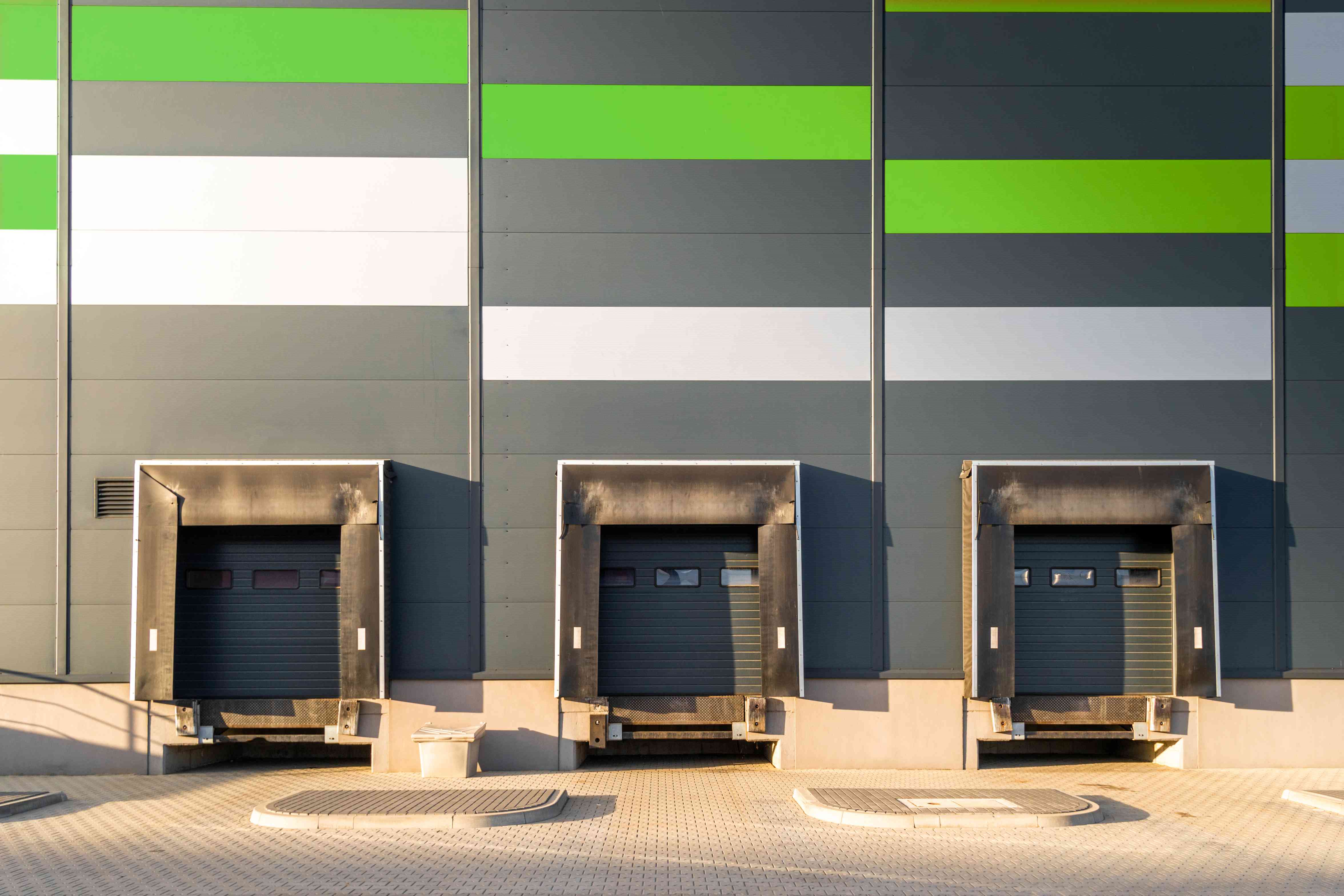
Peak season hits different when your loading docks aren't ready for winter. You've got trucks backed up, workers complaining about the cold, and heating bills that make you wince. The worst part? Most of this is preventable if you tackle it before the first snowfall.

 Start With What You've Already Got

 Walk your dock right now and look at what's actually there. Check every seal, every door, every piece of equipment that touches the outside world. You're looking for cracks, gaps, worn rubber, and anything that's clearly past its prime.

 Your dock seals and shelters take the worst beating. Those foam pads compress against trailers hundreds of times, getting hit by rain, snow, and whatever else. If they're torn or compressed flat, they're not sealing anything. Same goes for the weather stripping around your overhead doors—if it's brittle or pulling away, cold air's getting through.

 Fix the Obvious Stuff First

 Broken equipment doesn't get better in winter, it gets worse. That overhead door that's been a little slow? Once temperatures drop and metal contracts, it might stop working altogether. That small gap under your leveler? It becomes an ice dam waiting to happen.

 Get your commercial door repair service scheduled now, not when you're already slammed with holiday shipments. Technicians get booked solid once winter hits and problems start piling up.

 Look at your door tracks and rollers too. Clean out any debris, check for damage, and make sure everything moves smoothly. Doors that struggle in October will be completely frozen by January.

 Don't Ignore Your Dock Levelers

 Levelers are usually the forgotten part of winter prep, but they shouldn't be. Water gets into the mechanism, freezes, and suddenly your leveler won't extend or retract properly. You're stuck with manual workarounds that slow everything down.

 Check the hydraulic systems for leaks. Make sure the pit drains aren't clogged—standing water in there will freeze and cause all kinds of problems. If your loading dock equipment is older, now's the time to have it inspected before it leaves you stranded mid-shift.

 Seal Every Gap You Can Find

 Cold air is sneaky. It'll find every crack, gap, and opening you've got. Walk around your dock with your hand out feeling for drafts. You'd be surprised how much air moves through spaces you barely notice in summer.

 Pay attention to where different materials meet—where concrete meets metal, where doors meet frames, where levelers sit in their pits. These transition points are usually where sealing fails first.

 Think About Your Heated Air

 All the sealing in the world won't help if your doors are staying open longer than they need to. Look at your door speeds and cycle times. Slow doors mean more heat loss per truck. If your doors are taking 30-40 seconds to close when they should take 15, you're throwing money away.

 Consider adding or upgrading to high-speed doors at your busiest bays. Yeah, it's an investment, but the energy savings add up fast when you're running multiple shifts through winter.

 Stock Up on Winter Supplies

 Keep de-icer on hand specifically made for dock equipment. Regular rock salt can corrode metal components. You'll also want backup heating elements if your dock has them, extra batteries for any wireless controls, and replacement weather stripping you can swap in quickly.

 The One Thing You Can't Skip

 Get everything done before Thanksgiving. Once you're in peak season mode, you won't have time to deal with maintenance properly. Something breaks, and you're scrambling for emergency service at premium rates while trucks stack up outside.

 Winter-proofing your dock isn't complicated, but it does require actually doing it. Walk the dock, fix what's broken, seal what's leaking, and test everything under load. Do that, and you'll sail through winter instead of suffering through it.


Why Is My Dock Door Always Leaking Heat in Winter?

Why Is My Dock Door Always Leaking Heat in Winter?

If you've noticed your heating bills shooting through the roof this winter, your loading dock might be the culprit. That constant draft whistling through your warehouse isn't just uncomfortable for your team—it's costing you serious money every single day.


The Real Cost of a Leaky Dock Door


Here's what most facility managers don't realize: a poorly sealed dock door can leak thousands of dollars worth of heated air every month. We're not talking about a small crack under your office door. These are massive openings where trailers meet your building, and when they're not properly sealed, you might as well be heating the parking lot.


The thing is, dock doors take a beating. They open and close dozens of times per shift, trailers back into them with varying degrees of accuracy, and they're exposed to everything Mother Nature throws at them. Over time, even the best seals start to fail.


Why Dock Doors Leak More Than You Think


Your dock door probably isn't creating a perfect seal with every trailer that backs up to it. Trailers come in different heights, widths, and conditions. Some have bent frames, others sit lower because they're loaded heavy. The gap between your building and the trailer becomes a highway for cold air to pour in and expensive heated air to escape.


Even if your dock equipment looked good when it was installed, weather stripping deteriorates. Rubber gets brittle in cold temperatures, foam compresses and loses its spring, and mechanical parts wear down. That gap you barely noticed in September becomes a gaping hole by January.


The Usual Suspects Behind Heat Loss


Start by looking at your dock seals and bumpers. Those foam pads on either side of your door opening? They should compress firmly against the trailer to create a tight seal. If they're cracked, torn, or compressed flat, they're not doing their job anymore.


Check your door itself too. Worn weather stripping along the bottom or sides of the door lets air flow freely. And don't overlook the obvious—if your overhead door isn't closing all the way or has visible damage, that's an easy fix you shouldn't put off.


The loading dock leveler can also be a problem spot. The gap between the leveler and the dock door, plus the space around the leveler itself, creates opportunities for air infiltration that you might not have considered.


Getting Your Dock Sealed Properly


The solution isn't always replacing everything. Sometimes you just need to upgrade to better dock seals and shelters that actually match your operation. Modern dock seals do a much better job of accommodating different trailer sizes and creating consistent seals.


A quality dock shelter creates a sealed enclosure around the trailer, blocking wind and weather from every angle. Yeah, they cost more upfront than basic foam bumpers, but they pay for themselves pretty quickly when you look at energy savings.


Stop Throwing Money Out the Door


The bottom line? Your dock door is probably leaking heat because something has worn out, shifted, or wasn't quite right to begin with. The good news is that most of these problems have straightforward solutions that'll start saving you money immediately.


Don't wait until your warehouse workers are wearing parkas inside. Get those dock doors checked now.

How Fast Should a Dock Door Close Without Slowing Our Operation?

How Fast Should a Dock Door Close Without Slowing Our Operation?

You want your loading dock running like a machine, but there's always that nagging question: how fast should these doors actually close? Too slow and you're bleeding money on energy costs while your operation crawls. Too fast and you're asking for equipment damage or worse—someone getting hurt.


Finding the Sweet Spot


Most high-speed dock doors close somewhere between 24 to 40 inches per second. That's the range where you get decent throughput without turning your door into a safety hazard. But here's what matters more than hitting some magic number: your door speed needs to match how your dock actually operates.


If you're running a high-volume distribution center with forklifts zipping in and out every few minutes, you need doors on the faster end. A food processing facility with strict temperature control? Same deal. But a slower-paced warehouse where doors stay open during extended loading times? You probably don't need to push maximum speed.


Why Door Speed Actually Matters


Every second your dock door stays open, you're losing conditioned air. In summer, hot air pours in and your AC works overtime. Winter's even worse—all that expensive heated air just disappears into the parking lot. A door that takes 30 seconds to close versus 10 seconds means triple the energy waste per cycle.


Multiply that across dozens of daily cycles, and you're looking at real money. We've seen facilities cut their heating and cooling costs by 20% or more just by upgrading to faster doors with better dock seals and shelters that work together as a system.


Then there's productivity. When dock doors become a bottleneck, everything backs up. Drivers wait longer, forklifts idle, and your whole operation gets sluggish. Faster door cycles mean more trucks through your dock in a shift.


What Slows Doors Down


Your door might have been fast when it was new, but things change. Worn springs, failing motors, or damaged tracks all add seconds to your cycle time. Sometimes a door that used to close in 12 seconds is now taking 25, and nobody noticed because it happened gradually.


Safety sensors can also create delays if they're too sensitive or poorly positioned. Yeah, you need them—nobody wants a door coming down on equipment or people. But if your sensors are triggering false stops constantly, that's a problem worth fixing.


Basic maintenance issues slow things down too. Dirt buildup on tracks, dried-out rollers, misaligned components—all of it adds friction and drag that your door operator has to work harder to overcome.


When Faster Isn't Better


Don't just crank your door speed to maximum and call it done. Doors closing too fast create their own problems. They're harder on the equipment, which means more frequent repairs and shorter component life. Those springs and cables? They'll fatigue faster under constant high-speed stress.


There's also the safety factor. Forklift operators need enough time to clear the opening without feeling rushed. A door that closes aggressively can make people nervous, and nervous operators make mistakes.


Getting Your Speed Right


Start by timing your current door cycles. How long from fully open to fully closed? Compare that to what you actually need based on your traffic patterns and climate control requirements.


If your doors are running slower than they should, don't assume you need replacements. Often it's a maintenance or adjustment issue that commercial door repair services can fix for a fraction of the cost.


The Real Answer


The right dock door speed isn't about hitting some industry benchmark. It's about matching your operation's pace while keeping energy costs down and people safe. Most facilities find their sweet spot somewhere between 30-36 inches per second, but your mileage will vary.


Pay attention to your actual cycle times and energy bills. If doors are creating bottlenecks or your heating costs are ridiculous, it's time to look at what's really happening at your dock.


Wind rated garage doors

Here’s How Wind-Rated Doors Protect Against Storm Downtime

When severe weather hits, your building shell is only as strong as its largest openings. Standard doors can flex, rack, and blow out under pressure differentials, leaving bays exposed to wind-driven rain, debris, and theft risk. The real cost isn’t the door panel; it’s lost production, missed shipments, and emergency cleanup. Wind-rated doors are engineered to hold the line so operations resume as soon as the weather clears.


What “Wind-Rated” Actually Means


Not all commercial doors are created equal. Wind-rated models are tested to withstand specified design pressures and impact events, using reinforced tracks, heavier-gauge hardware, and structural bracing that keeps the curtain or sections in the guides. Think of them as a system: panel, guides, anchors, and operator all work together to transfer loads back into your building’s structure. The goal is simple: prevent blowout and door deformation that would otherwise jam the opening and halt your floor.


Pressure, Not Just Gusts


Storm damage often comes from pressure cycling, rapid shifts that try to pull your door out of its tracks. A wind-rated door addresses this with deeper guide engagement, wind locks, and stiffer endlocks that resist pullout. When the pressure spikes, the door stays seated. That means no gaps, no mid-storm failures, and no water intrusion flooding your staging area.


Impact Resistance That Buys Time


Flying debris is a given in high-wind events. Many wind-rated models pair pressure performance with impact-resistant components or breakaway designs that re-seat after a strike. Instead of a total door replacement, you’re looking at inspections and minor parts swaps, the kind of turnaround that has your dock back online while competitors are still waiting on emergency service calls.


Keep the Envelope Closed, Keep Operations Moving


The faster you restore a safe, sealed opening, the faster forklifts get back to work. With wind-rated doors, post-storm checks usually focus on visual inspection, track alignment, and operator settings, not rebuilding a buckled frame. That keeps your crew on task, your inventory dry, and your shift schedule intact.


Better Seals, Better Conditions


A storm isn’t only wind; it’s driven rain and chilled air. The perimeter seals, bottom bars, and weatherstripping in wind-rated systems hold contact even under load, reducing water ingress and temperature swings. That means less product damage, fewer slip hazards, and no scrambling to re-label, re-pack, or dispose of compromised goods.


Smarter Operators and Controls


Pair wind-rated doors with operators that include soft-start/soft-stop, cycle counters, and obstruction sensing. After a weather event, those features help you verify performance without stressing the hardware. Add interlocks with your dock levellers and restraints to ensure the door only opens against a secured trailer, reducing risk when wind lingers after the main front passes.


Choosing the Right Door for Your Location


Your risk profile depends on geography, exposure, and building design. Coastal facilities may require higher design pressures and specific code compliance; inland sites often balance wind load with daily cycle counts. Our team helps match curtain type, guide depth, reinforcement, and mounting to your envelope so you get protection without overbuying. Explore options and specs on our Commercial Garage Doors page: 


Installation That Respects Structure


A wind-rated door only performs to its label when it’s installed correctly. That means proper anchoring into sound substrate, verified fastener patterns, and alignment that prevents binding under load. We stage work to keep docks active, then torque-check hardware and run final pressure-simulation checks with your maintenance lead present. No shortcuts, no guesswork.


Maintenance That Prevents Surprise Failures


The best time to catch wear is before storm season. A focused PM list, guide clearance, wind lock condition, fastener torque, operator limits, and seals keep doors in spec. Document those checks, and you'll have confidence when the forecast turns. If something needs attention, our commercial door repair service can triage issues quickly and keep your bays storm-ready: Commercial Door Repair Service.


Bottom Line: Protection That Pays for Itself


Storm downtime is expensive. Wind-rated doors reduce that risk by keeping the envelope intact, minimizing intrusion, and speeding post-storm recovery. They don’t just survive bad weather; they protect your schedule, your inventory, and your people. If wind is part of your reality, choose a door system built for it, install it right, and maintain it with purpose. When the sky clears, you’ll be loading trucks, not filing claims.
How Door Doctor Uses Its Training Academy to Power Every Service Visit

How Door Doctor Uses Its Training Academy to Power Every Service Visit

In commercial door service, results hinge on the technician who shows up at your facility. The difference between “working for now” and “built to last” is the depth of training behind every decision they make. That’s why Door Doctor utilizes a dedicated Training Academy, an ongoing system that develops, certifies, and upskills our teams, so every visit delivers safe, reliable, and efficient outcomes.


Why Technician Training Matters More Than You Think


Modern door systems combine mechanical assemblies, electrical controls, sensors, access devices, and strict safety standards. Without structured, continuous training, it’s easy to:

  • miss precise adjustments that impact longevity,
  • overlook code and compliance details that create liability, and
  • introduce safety risks for employees and visitors.

Our academy addresses these risks head‑on. It equips technicians to understand root causes, not just swap parts, so issues are solved correctly the first time and doors perform reliably over their full lifecycle.


How We Use the Academy Day‑to‑Day


Our Training Academy isn’t a one‑and‑done class; it’s a program we actively use to raise the bar across every job:

  • Hands‑on labs and simulations: Technicians practice complex installs, commissioning, and diagnostics on real equipment before stepping onto your site.
  • Scenario‑based troubleshooting: Guided exercises build the pattern recognition needed to identify root causes quickly, reducing downtime and repeat visits.
  • Safety and code mastery: Regular recertifications keep teams current on standards and site safety protocols.
  • Customer communication: We train on walkthroughs, documentation, and proactive maintenance guidance so you know what was done and why.
  • Specializations: Technicians develop deep expertise in unique environments, manufacturing, healthcare, logistics, retail, so solutions fit operational realities.

Benefits You’ll Notice Immediately


Using the academy as an everyday training system translates into tangible value for your business:

  • Faster, cleaner installations: Crews arrive prepared, work efficiently, and leave the site organized and compliant.
  • Fewer callbacks: Accuracy in setup and commissioning prevents the small issues that turn into repeat visits.
  • Lower total cost of ownership: Correct install and preventive maintenance extend equipment life and reduce emergency repairs.
  • Stronger compliance posture: Documentation, testing, and safety checks are built into our process, not treated as afterthoughts.
  • Continuity at scale: As teams grow, the academy ensures consistent standards of quality across technicians and locations.

What the Curriculum Covers


The program develops well‑rounded professionals who combine technical depth with field discipline:

  • Advanced mechanical alignment and calibration
  • Controls integration, sensor tuning, and access hardware
  • Preventive maintenance planning and lifecycle care
  • Safety systems, codes, and documentation
  • Professionalism: punctuality, site etiquette, and clear communication

Real‑World Impact


When teams train this way continuously, projects finish on schedule and pass checks the first time. Potential issues are spotted early, maintenance is proactive rather than reactive, and operations experience less downtime, whether you’re running a distribution center, a busy storefront, a hospital, or a manufacturing line.


Building Tomorrow’s Experts


The academy is also how we grow talent. Clear learning paths and certifications help technicians progress from apprentice to specialist to field leader. That stability shows up in your experience: familiar faces who know your site, remember your constraints, and deliver consistent results.


The Door Doctor Difference


We don’t rely on talent alone. We invest in it and utilize the Training Academy to turn it into repeatable excellence. When you choose Door Doctor, you get more than a service call, you get a team that trains continuously, documents rigorously, and shows up prepared to protect your people, your facility, and your budget.
English